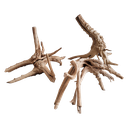
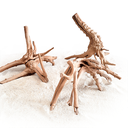
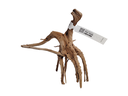
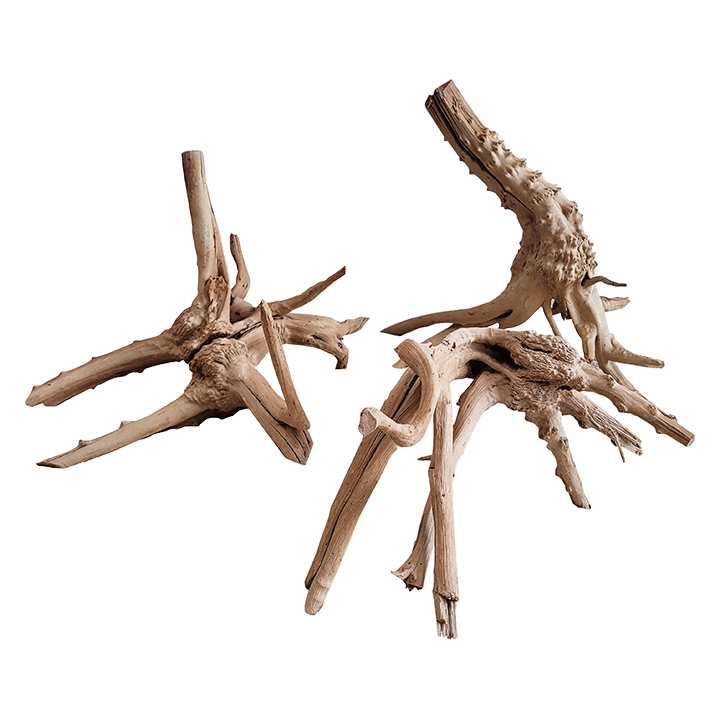
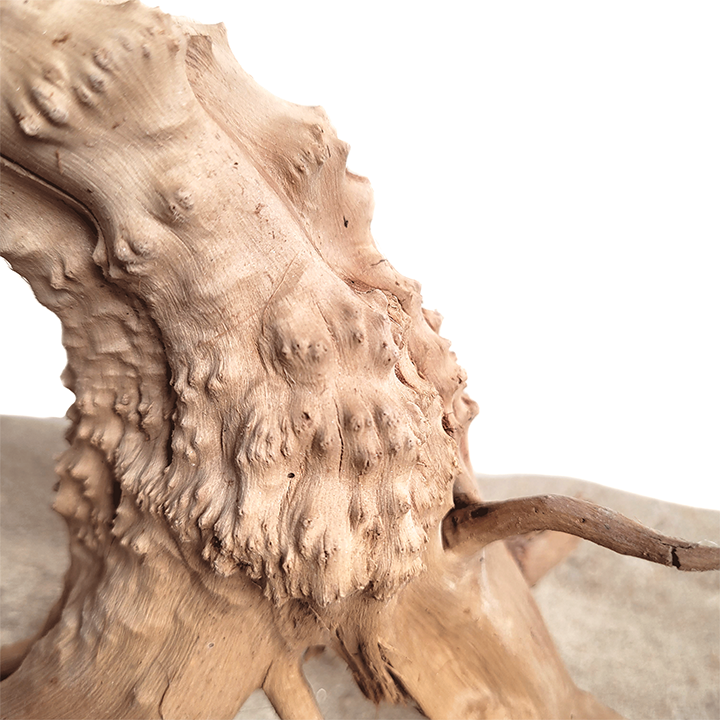
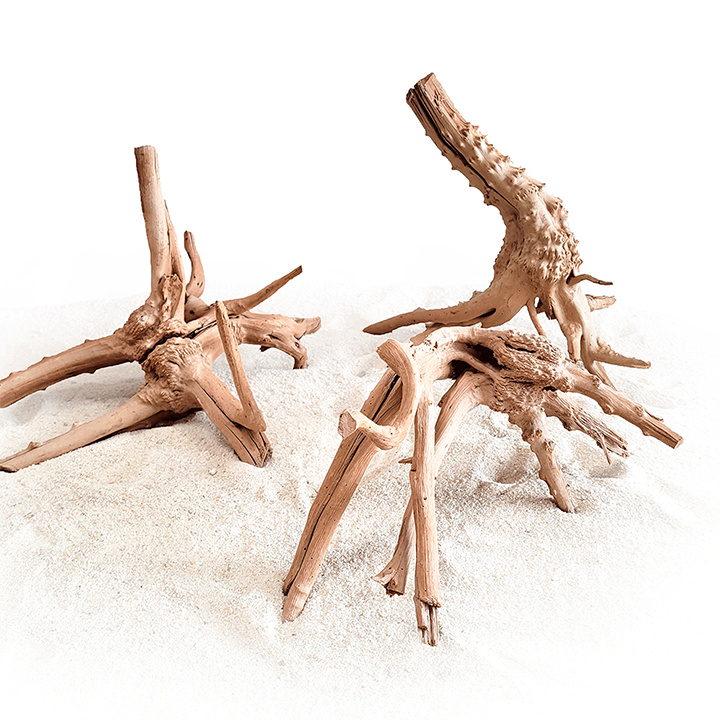
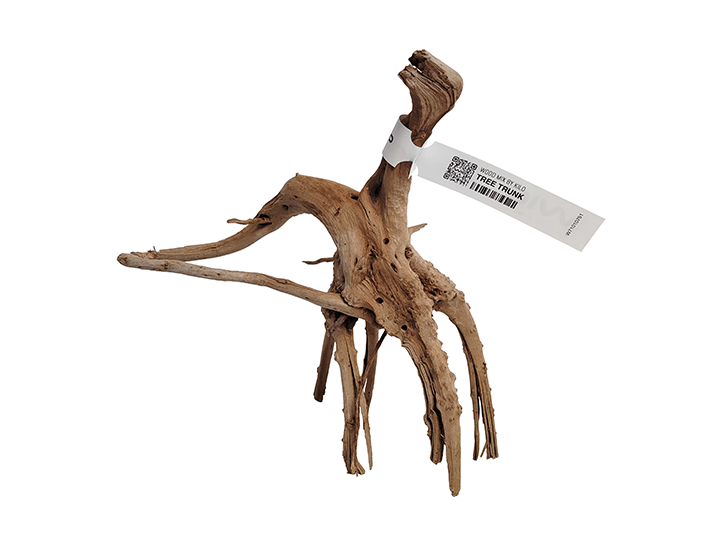
Tree Trunk Wood features a complete tree-trunk shape with roots, making it perfect for creating brilliant compositions of emerged or submerged tree forests. Layouts created with this type of wood provide a great visual impact and a strong impression of depth.
Description
Tree Trunk Wood is a distinctive hardscape material that offers a complete tree-trunk shape with roots, making it an ideal choice for creating brilliant compositions of emerged or submerged tree forests in your aquatic or terrestrial habitat. This wood's unique shape provides a great visual impact and an impressive sense of depth, transforming your habitat into a captivating and engaging environment.
Tree Trunk Wood emphasis on the tree trunk shape. This wood not only adds visual interest to your habitat but also provides natural hiding spots and shelter for aquatic and terrestrial species.
Tree Trunk Wood is available in sizes ranging from 20-50 cm, making it suitable for a wide range of habitat setups. Each piece is unique and will enhance your design by adding depth and intrigue.
Key Points
- Complete tree-trunk shape with roots
- Ideal for creating emerged or submerged tree forests
- Provides a great visual impact and a strong impression of depth
- Tree trunk shape
Characteristics
- Type: Natural wood
- Color: Pale brown to yellowish
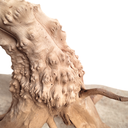
- Texture: Tree-trunk shape with roots
- Wood Size: 20-50 cm
- Water Tannins: Does barely release water tannins.
- Packaging: Sold by piece. Available in Small, Medium, and Large sizes.
Usage
Rinse the wood with water before use to remove any dust or debris.
Most woods are buoyant and need to be soaked for approximately one month to become waterlogged and sink. During the initial setup, use rocks, anchors, wood tight, or other methods to temporarily submerge the wood until it becomes fully waterlogged.
Woods may release tannins during the initial setup, giving the water a cognac-like appearance, similar to natural rivers like the Amazon. Tannins are not harmful to aquarium inhabitants but can be controlled through frequent water changes.
To minimize tannins during the initial phase, you can boil the wood for a few hours or submerge it in water for one month before adding it to your aquarium.
Saprolegnia, a white fungus-like growth, may appear on the wood during the initial stage. If it occurs, scrape and suction it out with a small tube frequently. It should naturally disappear within a month after the initial setup.
Woods may cause a decrease in the pH level of the water. It is recommended to maintain a minimum kH of 3 to create a buffer effect and regularly monitor the pH level.
By following these usage directions, you can ensure a safe and healthy environment for your aquarium, paludarium, or terrarium inhabitants while enjoying the natural beauty that wood provides.